Blog
Revizto, a visual collaboration software platform

Revizto is a cloud-based visual collaboration software platform, which can not only be used by our engineers, but also by other project teams. It brings together on one platform not only the IFCs, the point clouds and the Revit models, but also the design sheets and other documents created in them. These are then linked to BIM360, and shared with the modelers and the designers as well as with the client and, if necessary, the subcontractors. It assists the project team from the design phase to the end of the construction.
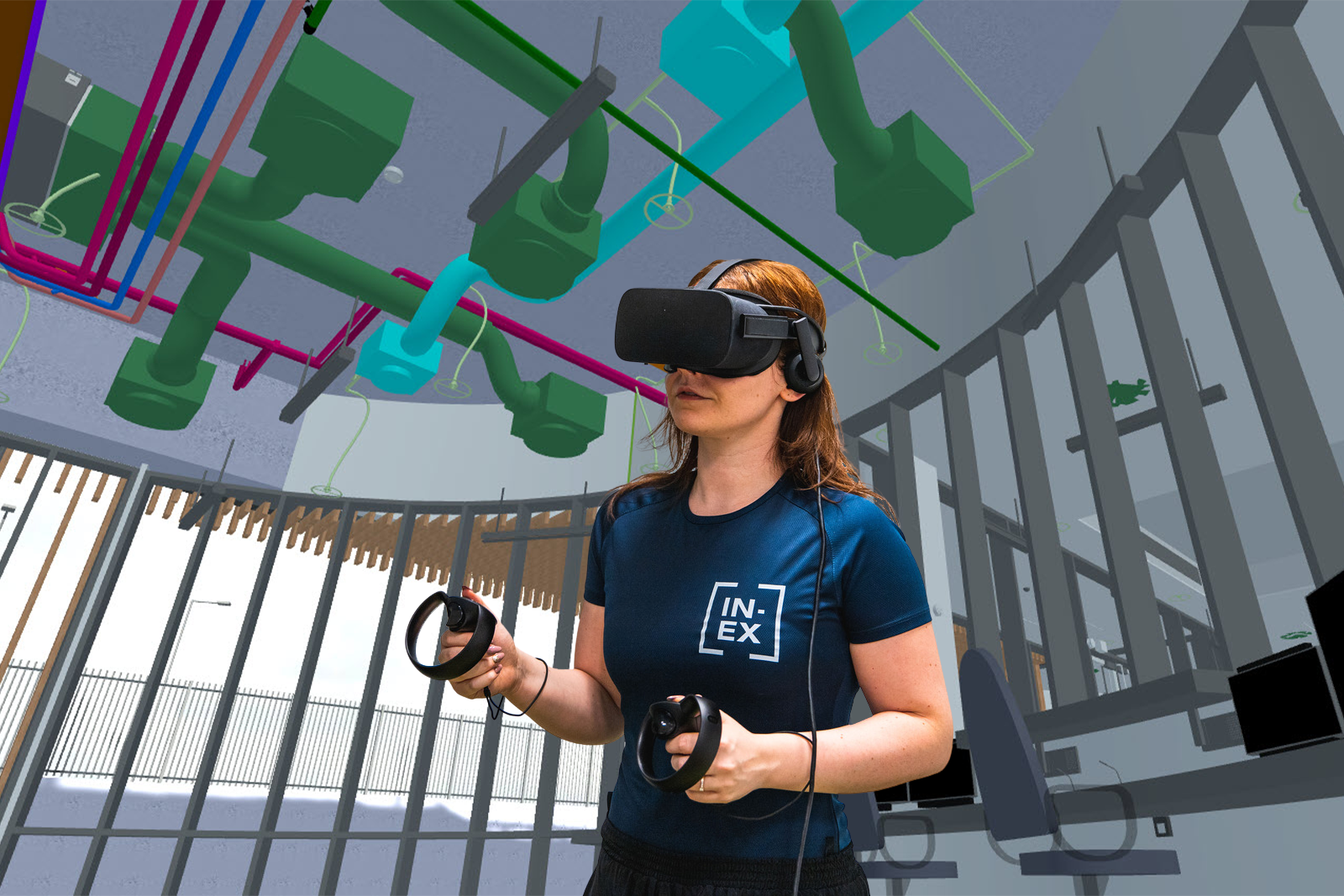
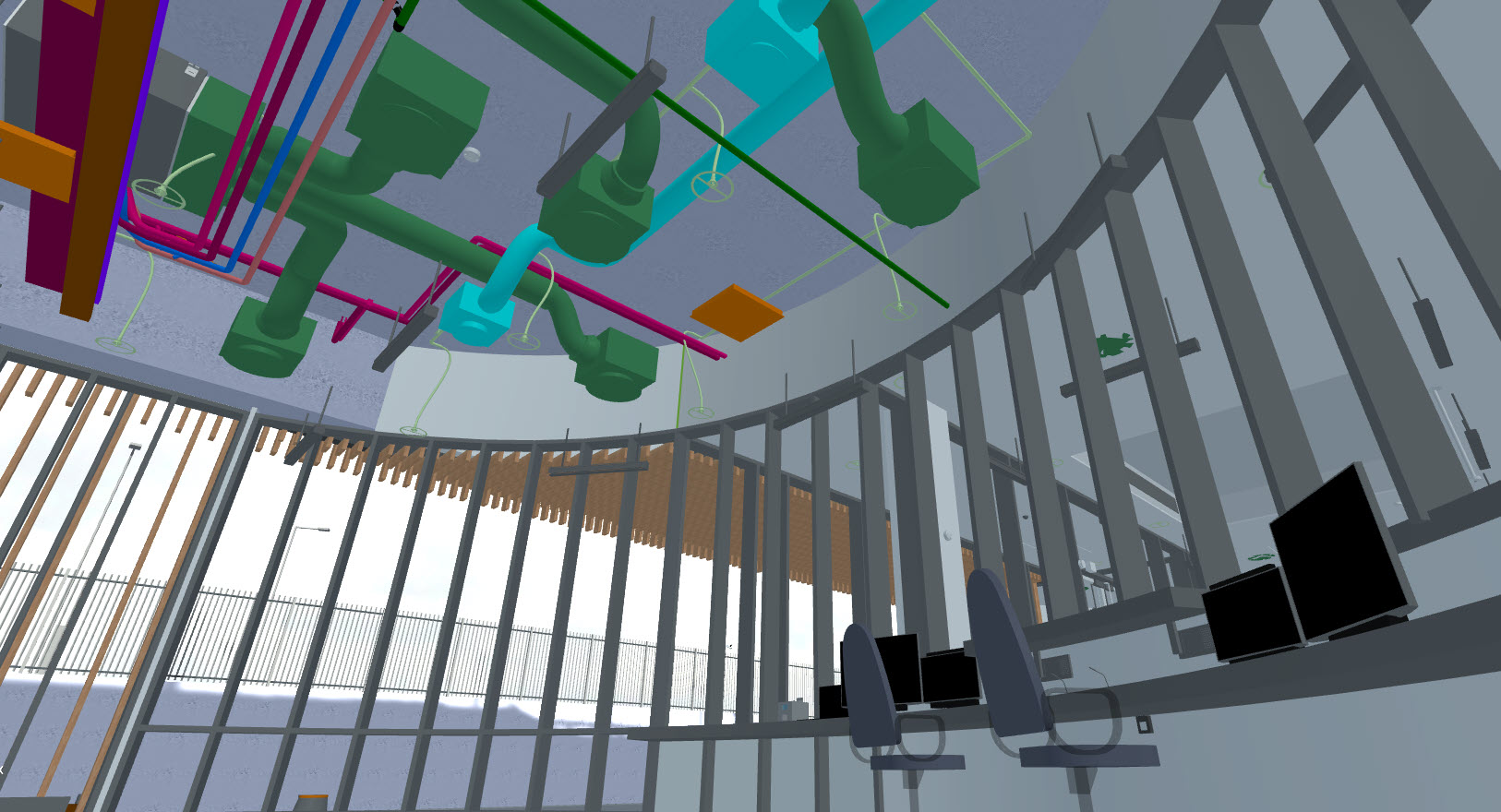
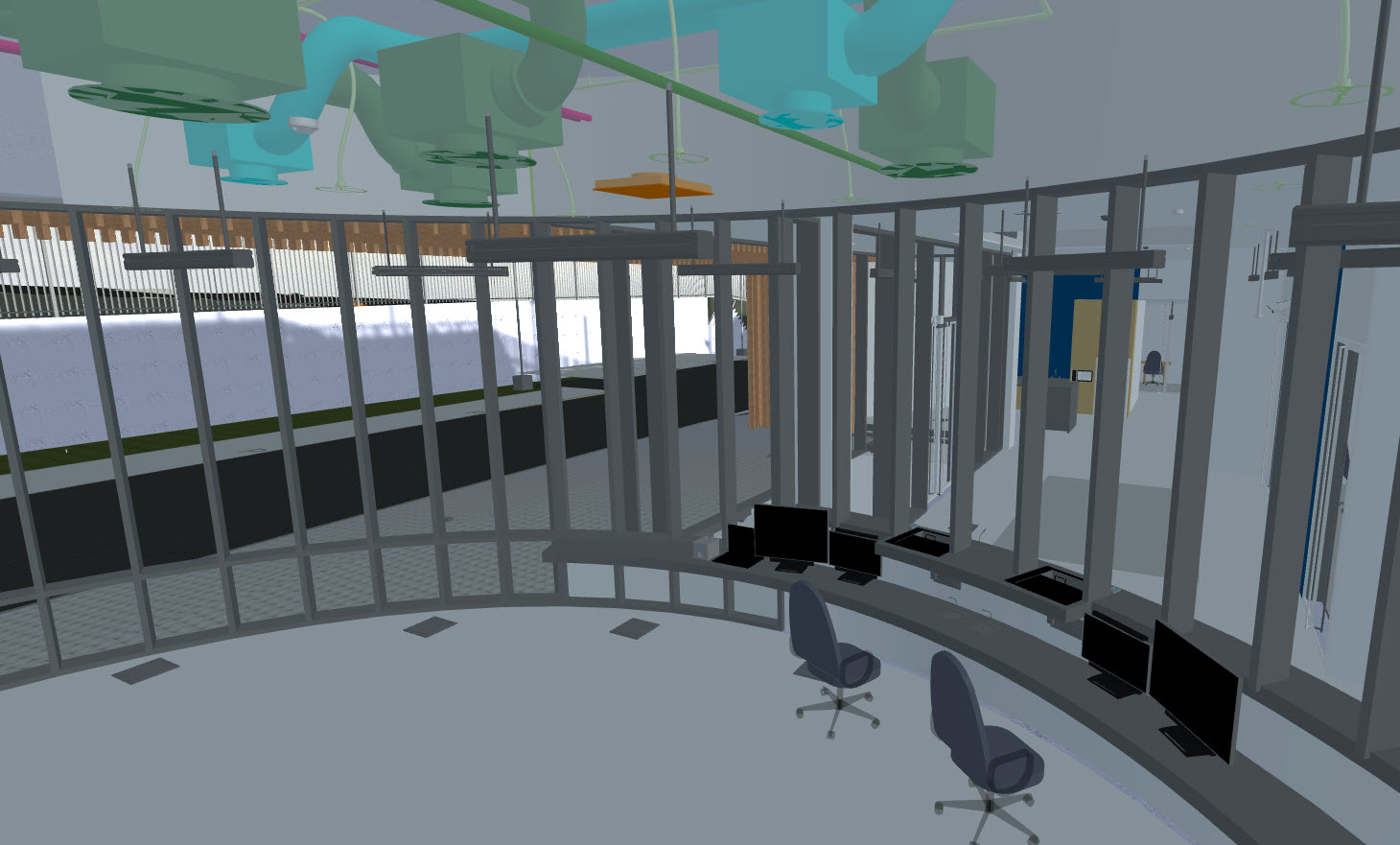
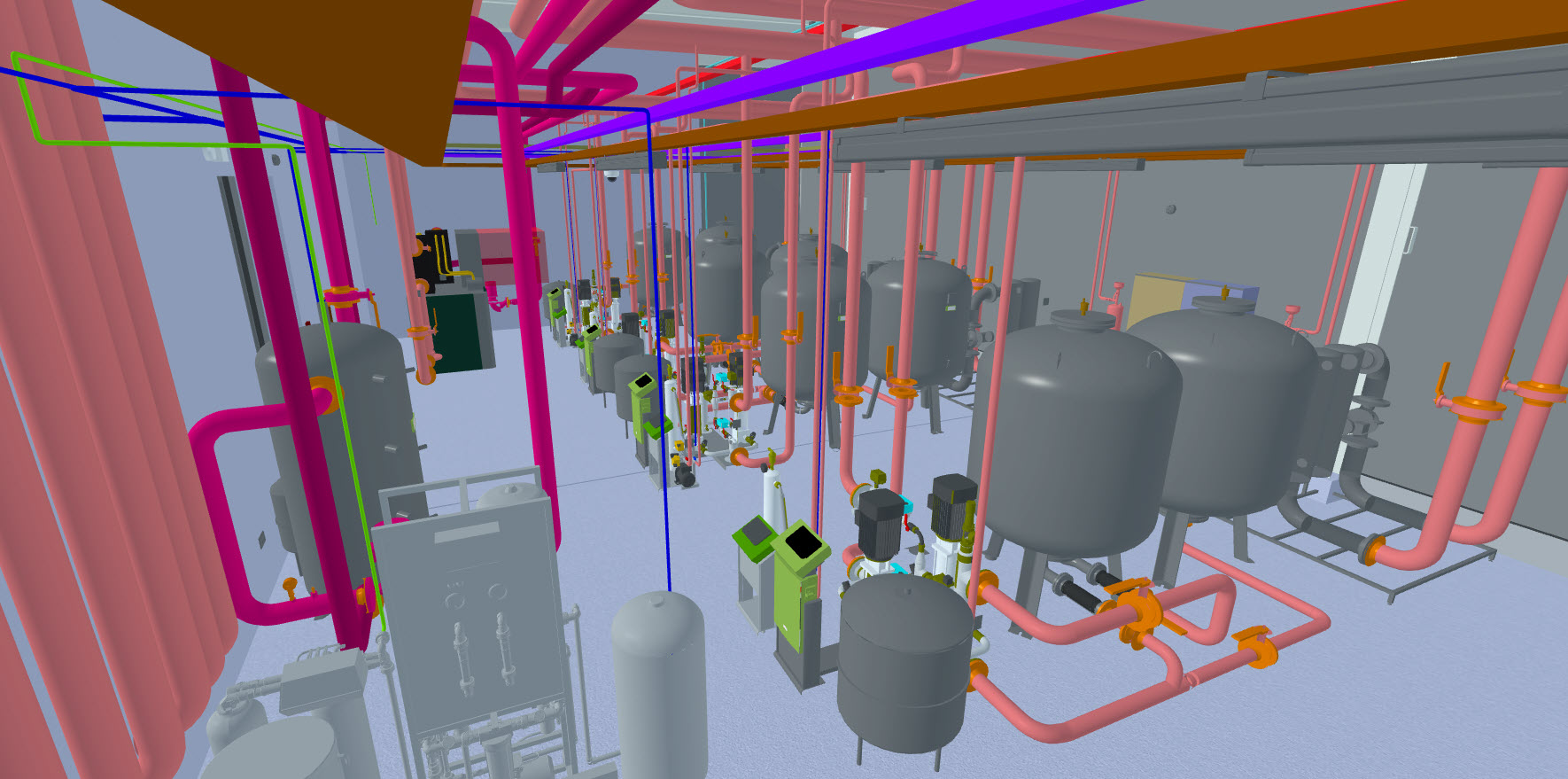
The only disadvantage of the software is that the 2D and 3D models need to be constantly updated. Each time, the drawings will have a version number in sequence, so you can compare them, project them on top of each other, or even paste the current drawing onto the 3D model with a few clicks.
It is relatively easy to navigate around the 3D model space: With the help of the practical little tools, numerous things can be done without opening the actual Revit file, but if you do need to, the necessary elements can be found more quickly and more easily thanks to the other useful features.
Since the release of the Clash Detection feature last year, we have been continuously exploiting the potential of the new module in our projects. In case of our projects, in which Revizto is included, this is the only software we use for clash detection.
Author: Barbara Kun BIM expert, civil engineer
Recent posts
From idea to impact
At IN-EX, we believe that our greatest asset is the knowledge, experience and curiosity of our people. The Innovation Hub was created to ensure that our engineers’ ideas do not remain isolated suggestions: we give them space, develop them together, and take initiatives that create real value all the way through to implementation.
Structural Challenges of an Automated Warehouse System and a BIM-Based Solution
Our project serves as a good example of how adapting existing industrial buildings to modern technologies can present a complex engineering challenge. The implementation of the automated high-bay warehouse system involved not only a technological conversionbut also the adaptation of an existing reinforced concrete hall structure to new operational, structural, and fire safety requirements.
New Technology, Existing Structure: A Steel Structural Solution for the Conversion of an Automated High-Bay Warehouse
During the interior conversion of a high-bay warehouse attached to a manufacturing plant, it became necessary to install a state-of-the-art automated storage system. In the first phase of the project, we were commissioned to assess, at the conceptual design stage, whether the existing structural framework was suitable for accommodating the new technological system and to determine what structural modifications would be required to implement the conversion.
One Office, One Model: The Benefits of 3D Design and Multidisciplinary Collaboration
STUDIO IN-EX is a multidisciplinary design studio where almost every design discipline is represented under one roof. Every day, our colleagues experience the benefits of having designers from different disciplines work side by side, within a shared closed BIM environment and in the same office. What are these benefits in practice? We spoke to Lilla Vámos, one of our low-voltage systems designers, about her experience.
Case Study: Saving on Investment Costs Through Smart Warehouse Design
We believe that the investment cost of a project can be influenced to a significant extent during the design phase. For this reason, our approach goes beyond simply meeting the applicable requirements. We also investigate alternative technical solutions that can provide the same level of technical performance and safety while resulting in lower investment costs.
Model Checking Is Not About Finding Errors
In model-based design, a BIM model is no longer just a 3D representation. A well-structured model contains geometry, information, and discipline-specific relationships in a single source of truth. It drives drawings, quantity take-offs, schedules, equipment lists, technical data deliverables, and serves as the common platform for multidisciplinary coordination.